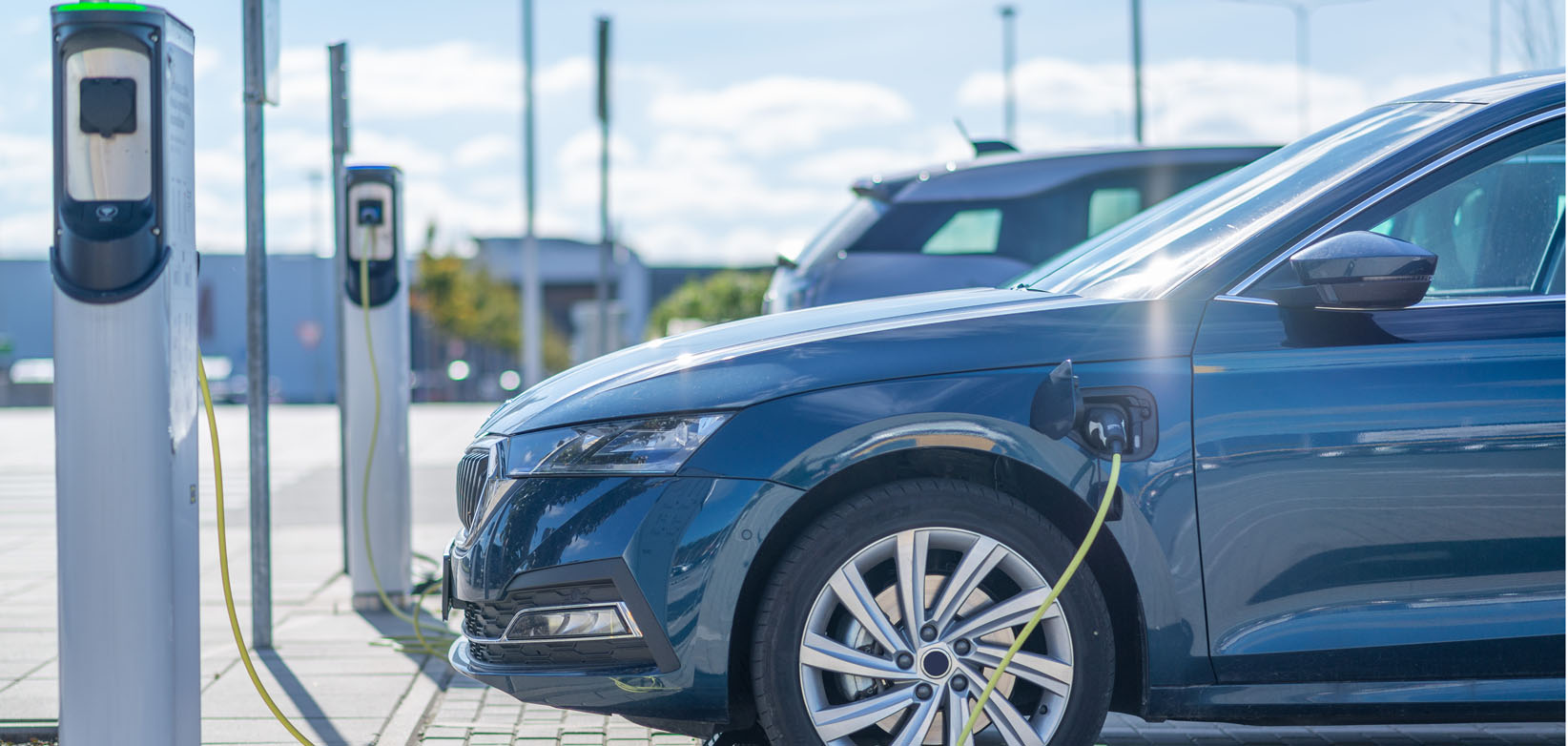

A study conducted by Ryosuke Kataoka et al. was published in the Transportation Research Part D: Transport and Environment.
Workplace charging can promote the adoption of battery electric vehicles (BEVs) by improving employees' charging experience. Incorporating both the demand (BEV commuters) and the supply (employers) perspectives is essential for developing sustainable workplace charging plans.
In this study, we estimated potential charging demand based on BEV driver charging behavior and optimize the installation plan to prioritize infrastructure utilization. This allows us to assess the gap in workplace charging requirements between the two sides.
A case study conducted in a Japanese metropolitan area revealed that demand-side requirements were 2.4 to 4.5 times greater than supply-side estimates. This gap decreased exponentially when more drivers shared chargers. Our approach visualizes trade-offs between user convenience and infrastructure utilization while exploring workplace charging policies.
This framework provides fundamental insights into the planning of efficient charging infrastructure and could be adapted for use in cities around the world to identify the demand-supply gap.
Title: Bridging the Gap in Workplace Charging Requirements between Demand and Supply Sides
Authors: Kataoka, R., Hidaka, K., Nishi, T.
Journal Name: Transportation Research Part D: Transport and Environment
Published: November 30, 2025