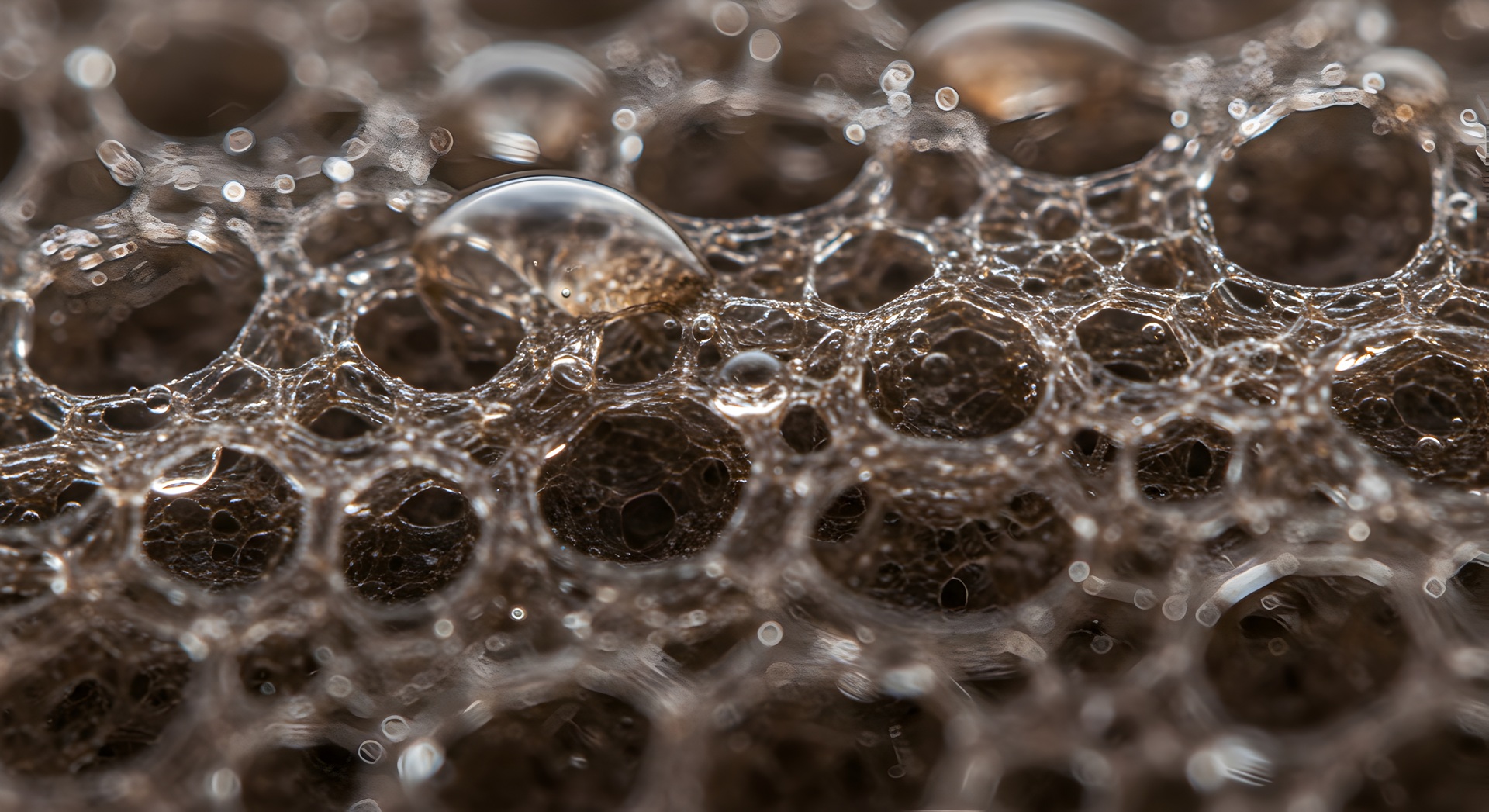

A perspective article authored by Wataru Yoshimune was published in the Cell Reports Physical Science.
Polymer electrolyte fuel cells (PEFCs) are highly sensitive to the management of produced water, as it significantly impacts performance and durability. Although water is necessary for power generation, excessive water can accumulate within the pores of the electrodes, blocking oxygen pathways and reducing efficiency. Traditionally, research has focused on how to remove accumulated water inside the fuel cell. Recently, however, water has increasingly been viewed not as something to be removed, but as an integral component that should be actively designed and controlled. This paper employs advanced analytical techniques using X-rays and neutrons to systematically examine water behavior inside PEFCs across multiple length scales, from the microscale to the atomic scale. It also discusses the possibility that intentionally tuning the arrangement of water molecules near catalyst surfaces may lead to improved fuel cell performance.
On the other hand, directly observing such water behavior under actual operating conditions remains challenging. In particular, current X-ray and neutron-based techniques are limited in their ability to identify water molecules and reaction intermediates at catalyst surfaces and track their behavior in situ. Therefore, the paper points out the importance of further advances in next-generation quantum beam characterization techniques for achieving a more detailed understanding of water behavior within PEFCs. Looking ahead, the study suggests that a multiscale understanding of water enabled by such advanced techniques could contribute to the realization of fuel cells with both high efficiency and long operational lifetimes.
Title: Reframing Water as a Tunable Design Parameter in Polymer Electrolyte Fuel Cells by Exploring Multiscale Perspectives
Authors: Yoshimune, W.
Journal Name: Cell Reports Physical Science
Published: March 18, 2026