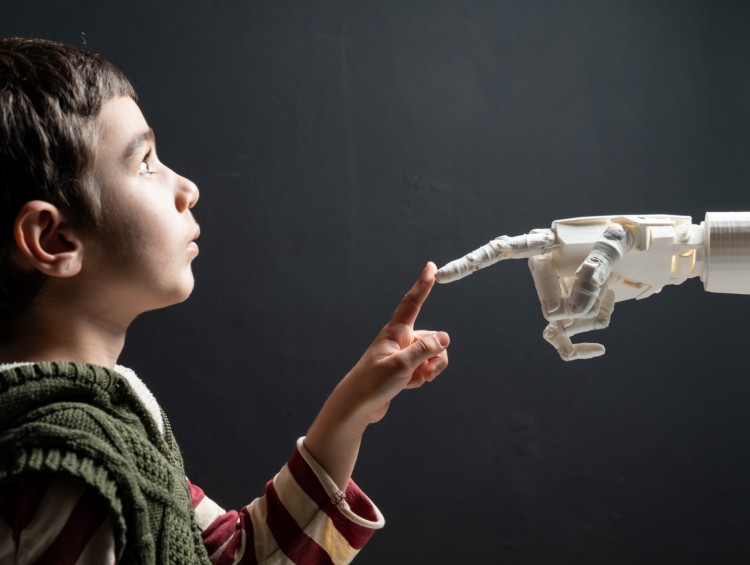
Based on human motion sensing in individual factory processes, we work with technologies that quantify workloads and difficulty levels using human models that simulate muscular, skeletal, and other types of movement. Using this approach, we aim to establish technologies intended to optimize the division of cooperative labor between humans and robots and that optimize workspaces to reduce the burden on workers. We will support workspace designs and production process configurations that are human-friendly and enhance productivity.
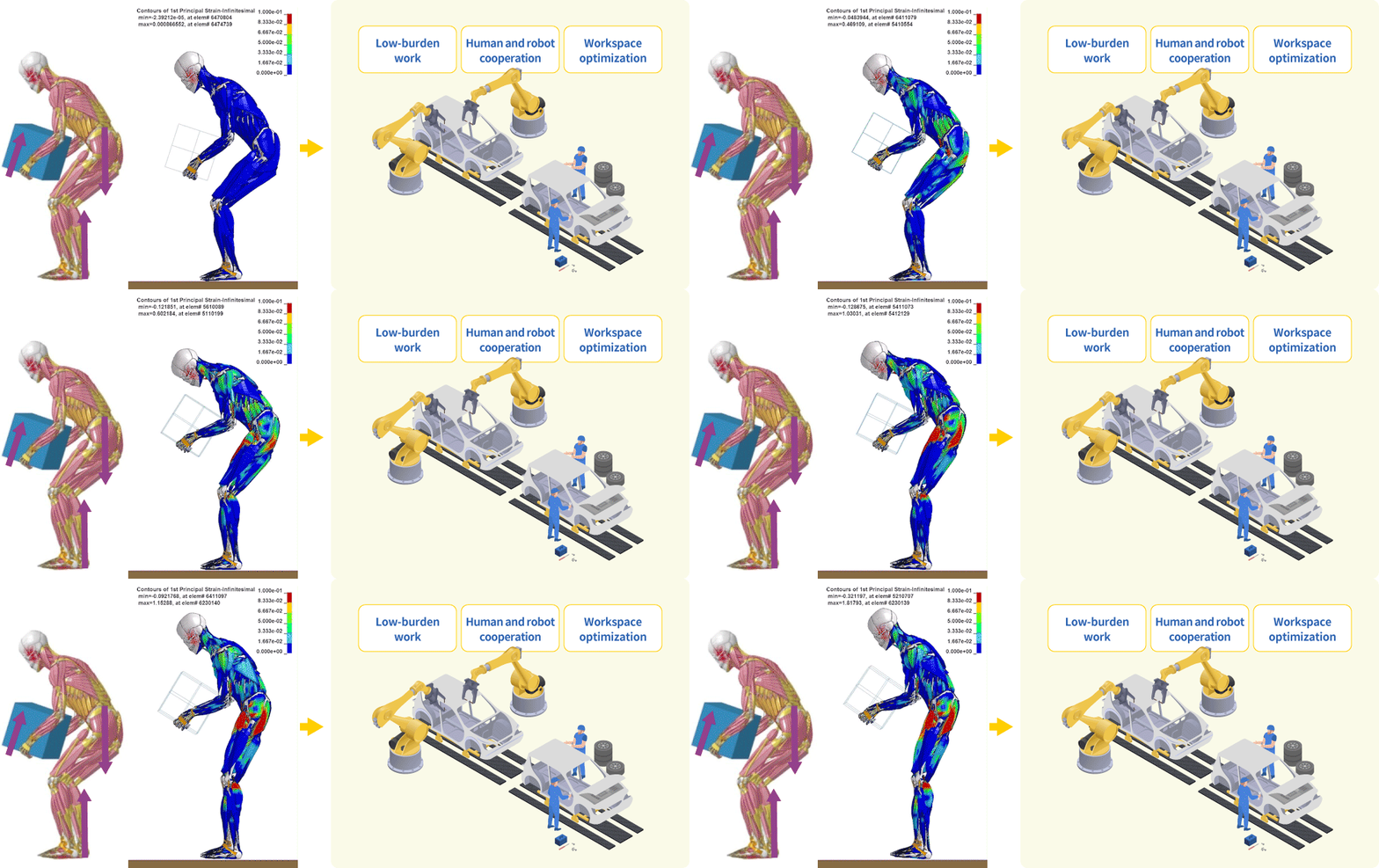
Estimation of body load and difficulty levels using a model that simulates musculoskeletal movement within arbitrary autonomous actions